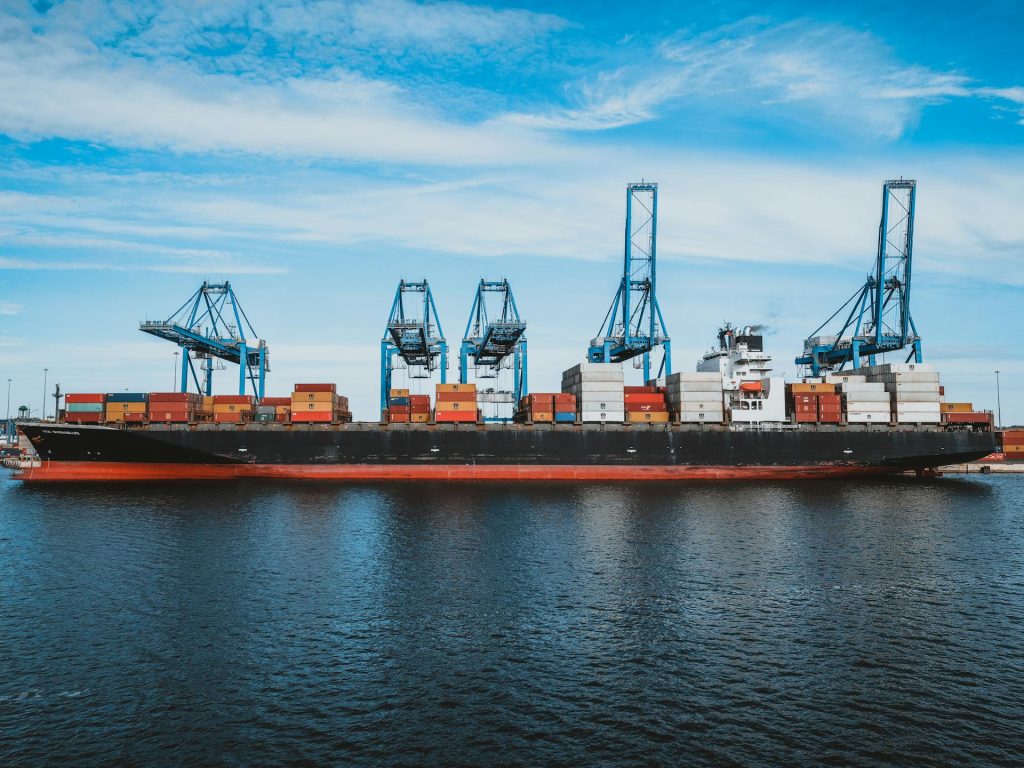
Focusing on the short-distance movement of goods between several modes of transportation or sites, drayage service is absolutely vital in the supply chain. Usually, this entails shifting goods from warehouses, rail terminals, and ports. Different kinds of drayage meet particular supply chain demands including:
- Intermodal Drayage: Responsible for the transfer of cargo between intermodal transportation systems, including the transfer of containers from a ship to a truck or from a rail car to a truck.
- Pier Drayage: Focused on commodities transfer from a marine terminal to a surrounding warehouse or distribution hub.
- Intra-Carrier Drayage: The movement of cargo within the same carrier’s network, like between two intermodal terminals operated by the same company. Inter-carrier drayage moves cargo between numerous transportation companies from one shipping line to a railway company.
- Expedited Drayage: Usually with assured arrival schedules, focuses on the quick and efficient movement of time-sensitive items.
Main Benefits of Drayage Services
- Simplified Logistics: By bridging numerous legs of the course of a shipment, transportation services offer a perfect and fast flow of products. This cuts down on the traffic and delays that can happen when goods are handed off between different types of transportation.
- Reasonably priced transportation: drayage helps businesses save money on total transportation costs by making short-distance moves more efficient. It will depend on how well the routes are planned, how well the product is consolidated, and how well the right tools are used for the job.
- Better visibility into the supply chain: drayage services that are reliable and on time help to improve supply chain visibility by making it easy to see how things are moving between different sites. This lets companies plan for possible delays, make the most of their production plans, and keep an eye on their inventory levels.
- More operational flexibility: Drayage businesses offer a broad range of services to satisfy specific requirements. This flexibility allows businesses to choose the optimum drayage option for their goods, shipping plan, and financial constraints.
- Realtime shipment tracking: A number of drayage companies utilise advanced technology to offer real-time tracing capabilities. This helps companies to track the state of their goods along the drayage process, therefore guaranteeing more openness and accurate decision-making.
Applications for Drayage Businesses
Drayage services find use in many different sectors and contexts, including:
- Global Trade: Drayage guarantees the effective flow of goods between ports, rail yards, and inland sites, therefore forming a key link in global trade. This helps commodities to be imported and exported between continents.
- Domestic Transportation: Linking warehouses, distribution hubs and retail stores all throughout a nation, drayage companies are absolutely essential in home transportation systems. This guarantees perfect flow of products inside home marketplaces.
- Supply Chains in Manufacturing: Drayage companies are essential for the timely delivery of finished products or raw materials from suppliers to factories or consumers within the manufacturing sector. This keeps production lines going smoothly and makes sure that products get to the right places quickly.
- E-commerce fulfillment: The e-commerce explosion has greatly increased the market for drayage businesses. Drayage companies, who ensure efficient client reach from online orders, largely control last-mile delivery.
Transportation of commodities in Los Angeles
Los Angeles, a major port city, needs drayage services somewhat highly. Among the busiest container ports in the world, the Port of Los Angeles handles an interesting volume of foreign trade. Los Angeles’ drayage companies offer a wide range of services to help with the flow of commodities in and out of the port, thereby connecting it to many sites all throughout the country.
Decide a Drayage Source
Consider these factors as you select a drayage vendor:
- Demonstrated Experience: Look for a company having a strong track record of success providing consistent drayage services. A history of happy customers reveals that a service can routinely meet needs.
- Comprehensive Service Area: Make sure the supplier runs in all the geographical areas pertinent to your demand for transportation. This guarantees their handling of your freight travel from wherever to anywhere.
- Matching Equipment and Capacity: Ensure that the company possesses the requisite equipment and capacity to transport the specific type and volume of cargo you require. Among these are the size of the trailer, the type of frame it has, and any special tools it might have for keeping goods at a certain temperature.
- A company that knows how to use technology: Look for a service that uses cutting edge tech to keep track of shipments, plan orders, and chat with you right away. This keeps everything open during the drayage process and helps people make smart choices.
- Responsive Customer Service: Give top attention to businesses that offer great customer service and help. This means having dedicated staff ready to answer your questions, deal with your problems, and meet your unique needs quickly and professionally.
Modern supply chains depend critically on drayage service if commodities are to be transferred across small distances quickly. Knowing the many types of drayage and their benefits helps businesses choose which drayage supplier to use. Whether it’s moving goods and materials between different modes of transportation, facilitating international trade, or supporting last-mile delivery, transportation services are extremely essential in ensuring the smooth flow of products and materials all throughout the supply chain.